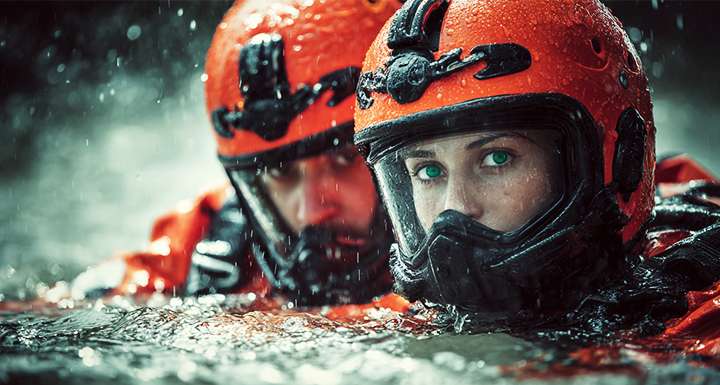
When disaster strikes on the water, every second counts. Whether it’s a missing swimmer, a capsized boat, or a vehicle submerged in floodwaters, fire departments and search and rescue (SAR) teams need reliable, fast-acting tools to save lives.
This guide breaks down the essential water rescue equipment every first responder team should consider, covering everything from ropes and throw bags to sonar and underwater drones. Each piece of gear serves a critical purpose, and together they form the backbone of modern water rescue operations.
As technology evolves, tools like handheld sonar devices—such as AquaEye Pro—are transforming how teams approach underwater search. Let’s dive in.
Why the Right Water Rescue Gear Matters
In swift water or submerged environments, traditional search methods often fall short. Visibility can be near zero. Currents are unpredictable. And every moment spent without the right gear delays potential rescue or recovery.
Proper equipment can mean the difference between a successful rescue and a missed opportunity. Not only does it help locate victims faster, but it also keeps responders safer during operations.
Must-Have Water Rescue Equipment for SAR and Fire Departments
1. Personal Flotation Devices (PFDs) and Rescue Life Jackets
No responder should enter the water without a USCG-approved PFD designed for rescue. These are not your average boating vests; rescue life jackets are built for durability, visibility, and functionality.
Key features to look for:
- High buoyancy rating (15.5 lbs or more)
- Bright colors and reflective striping for visibility
- Multiple D-rings and attachment points
- Pockets for radios, knives, and carabiners
- Swiftwater-specific designs for mobility and comfort
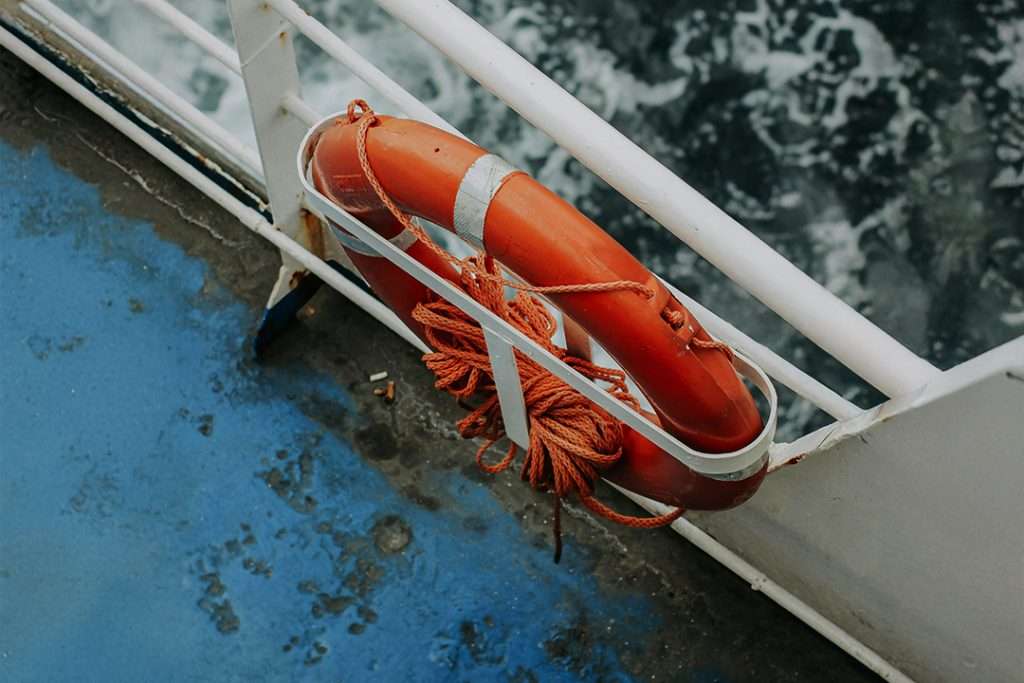
2. Ropes, Throw Bags, and Line Systems
Throw bags are one of the simplest and most effective rescue tools available. They allow responders to quickly deploy a floating rope to a victim in moving water. But not all rope systems are created equal.
Essential rope gear includes:
- Throw bags with 50–75 feet of floating rope
- Reach tools or rope launchers for added distance
- Mechanical advantage systems (e.g., pulley setups for hauling)
- Water-resistant rope bags for organization and rapid deployment
When paired with proper training, rope systems enable fast, accurate water extractions with minimal risk to the rescuer.
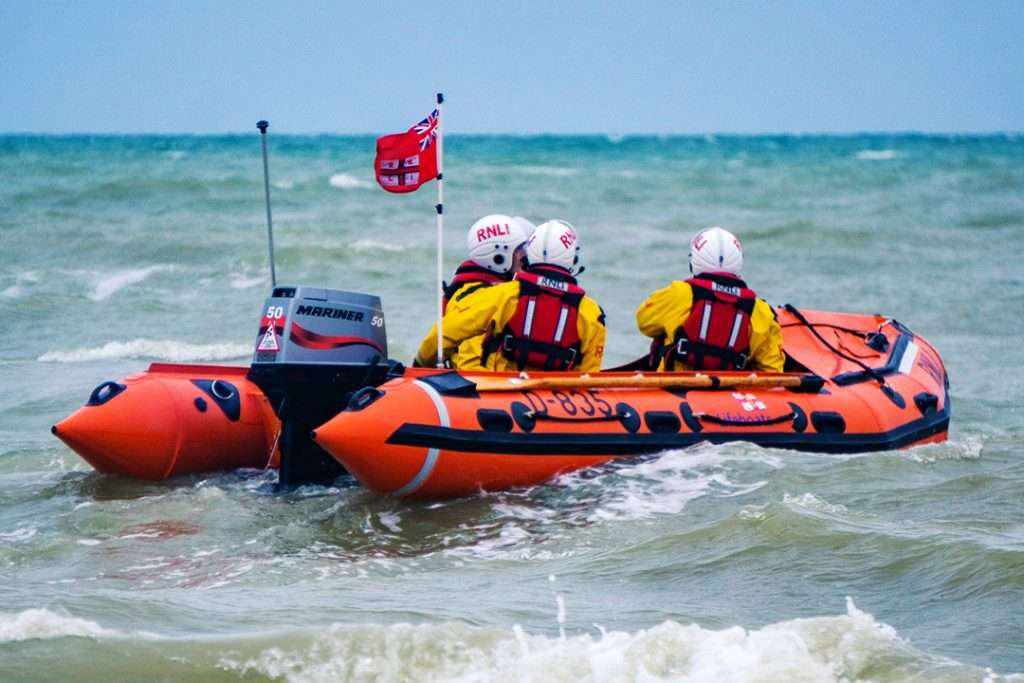
3. Helmets, Gloves, and Footwear
Water rescue environments are unpredictable, filled with submerged hazards, sharp debris, and powerful currents. Protective gear is essential.
Look for:
- Water rescue helmets with drainage ports and secure chin straps
- Gloves with an excellent grip in wet conditions
- Water boots or dive-rated footwear for traction and foot protection
These aren’t just comfort items—they reduce injury risk and improve team endurance during prolonged operations.
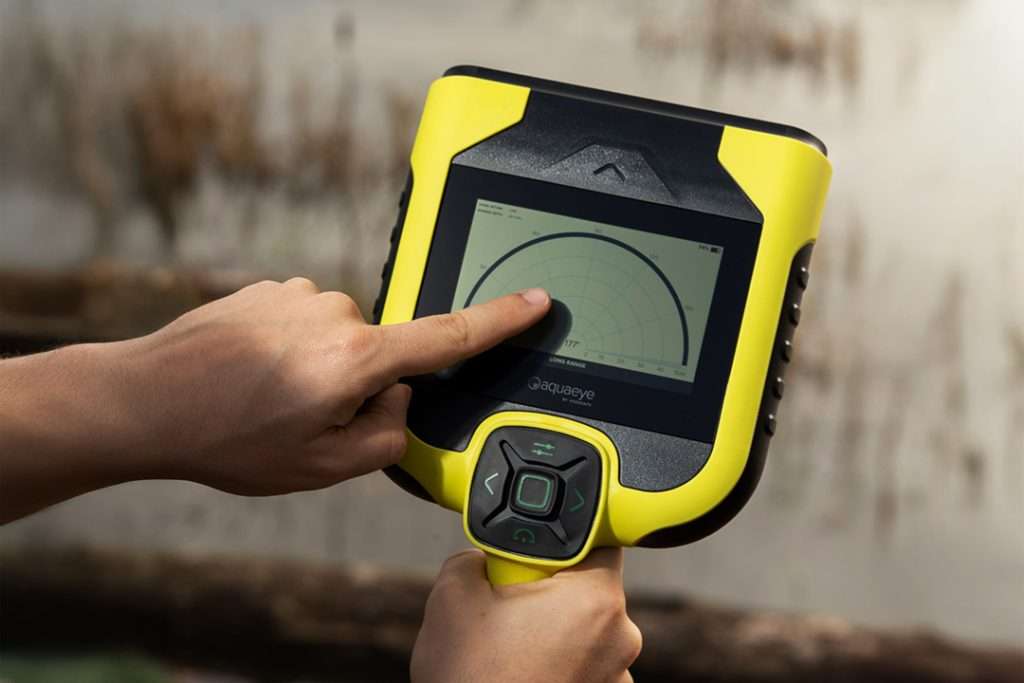
4. Sonar Devices for Subsurface Searches
When visibility drops to zero and divers are unavailable or unsafe, handheld sonar devices become invaluable.
The Power of Sonar: Why First Responders Trust AquaEye
AquaEye Pro is a handheld sonar system designed for rapid victim detection in open water, rivers, lakes, and even flooded urban environments.
Instead of waiting hours for divers or dragging the area with boats, teams can scan an area in just minutes with AquaEye—improving response time and increasing the chances of saving lives.
Key Benefits:
- Up to 164ft (50m) of scanning range
- AI-enhanced sensing to detect human bodies
- Lightweight and rugged for field use
- Designed specifically for SAR and fire teams
See how AquaEye provided actionable intelligence in complex, offshore conditions in the Bay of Fundi when traditional sonar methods fell short. You can read more customer success stories here.
5. Underwater Drones and ROVs
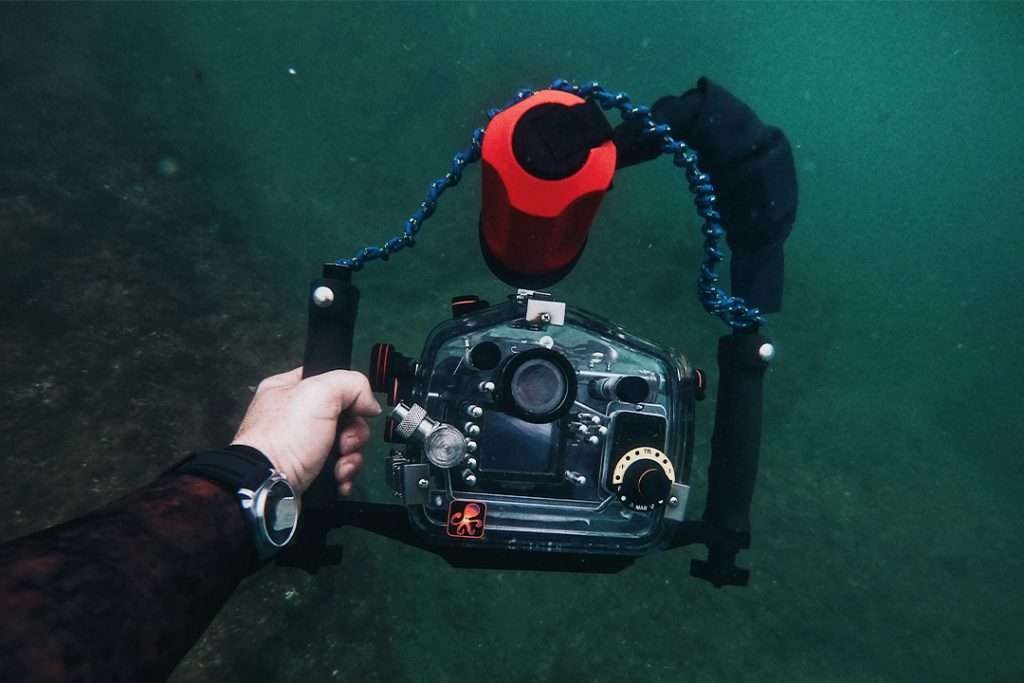
Remotely operated vehicles (ROVs) allow teams to explore beneath the surface without putting divers at risk. They’re particularly useful for:
- Urban flood zones
- Ice rescues
- Murky lakes with high debris
- Body and evidence recovery operations
Although more expensive and specialized, underwater drones complement sonar devices like AquaEye by providing visual confirmation or enabling deeper exploration in complex environments.
6. Thermal Imaging and Night Vision Equipment
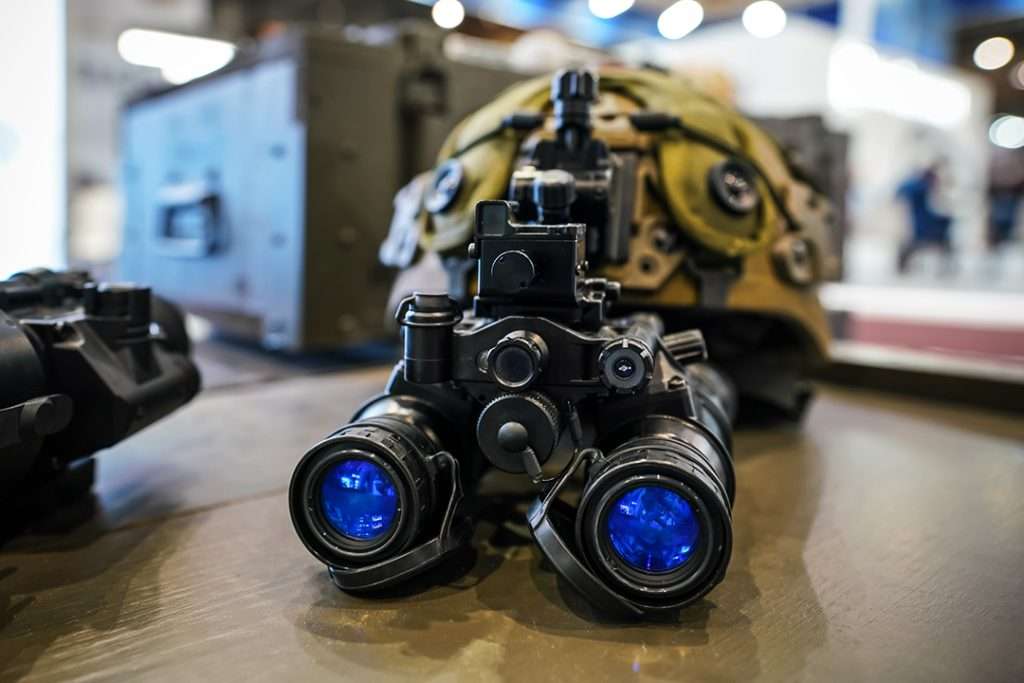
Many water rescues happen at night or in low-visibility conditions. That’s where thermal and night vision gear come into play.
Use cases:
- Detecting body heat from a stranded kayaker
- Spotting a headlamp or phone light in the distance
- Monitoring shoreline movements from a command post
These tools offer an aerial or shoreline-based perspective, enabling teams to coordinate resources more effectively.
7. Rescue Boards, Sleds, and Boats
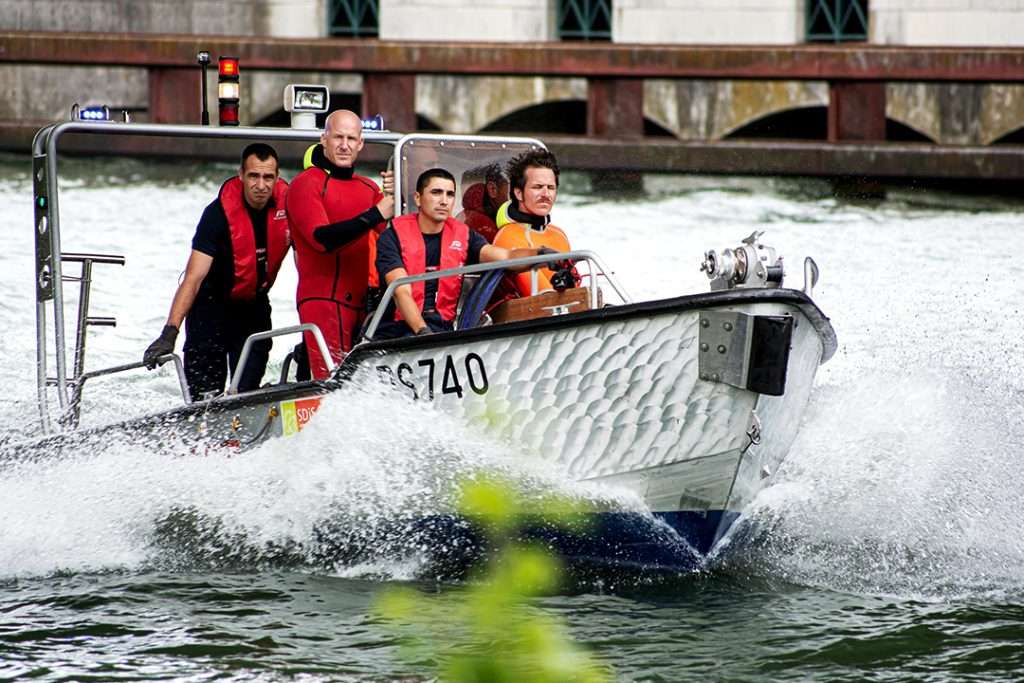
Depending on the environment, responders may need:
- Rescue boards (ideal for surf or flood zones)
- Inflatable rescue sleds (useful in ice or low-draft waters)
- Zodiac-style inflatable boats or jet-powered craft for fast access
Ensure boats are equipped with radios, lighting, dry storage, and, if possible, mounts for sonar tools or ROV deployment.
8. Rescue Training Manikins
SAR teams need to train how they operate—and that means using lifelike manikins that simulate real-body buoyancy and weight underwater.
High-quality training dummies:
- Simulate human drift patterns
- Sink and float like actual victims
- Provide realistic resistance for towing or lifting
This type of training, especially when paired with sonar or ROV tools, provides teams with the confidence and muscle memory to perform effectively under pressure.
How to Build a Reliable Water Rescue Kit
Every agency’s needs differ based on geography, climate, and mission type. However, a well-rounded kit should include:
- Multiple PFDs for varying sizes
- Rope kits for different water types
- A handheld sonar device like AquaEye Pro
- Ice rescue tools (if applicable)
- Lighting, radios, and signal flares
- Waterproof gear bags and dry boxes for electronics
Tip: Regularly inspect and test all equipment to ensure it is ready for use.
Equip to Save, Prepare to Succeed
Equipping your team for the unpredictable challenges of water rescue is a critical commitment to public safety and operational success. By integrating foundational gear with cutting-edge technology, such as AquaEye Pro, you empower your responders to act faster, search smarter, and bring closure to families in their most desperate moments. Don’t just read about the future of water rescue—see it in action.
To experience the power of handheld sonar firsthand, visit our upcoming events or attend a demo near you. For a personalized consultation on how AquaEye can be integrated into your department’s toolkit, contact team AquaEye today. Your community is counting on your preparedness; make sure you have the tools to answer the call.