First Responder Recovery Statistics
- First responders develop PTSD at rates 4-5 times higher than the general population. (Southwest Fire Academy)
- More firefighters die by suicide than in the line of duty (Southwest Fire Academy)
- Nearly 50% of firefighters have had suicidal thoughts during their career, with 16% reporting suicide attempts (The Columbia Lighthouse Project)
- 44.5% of first responders screen positive for one or more mental disorders, compared to 10% of the general population (CBC News)
- Traditional water searches can take hours to days to locate a drowning victim (CBC News)
- Lifeguards face increased risk of PTSD due to exposure to fatal and non-fatal drowning accidents (PMC PubMed Central)
- The psychological stress in water rescue situations is often exaggerated due to emotional reactions from bystanders and relatives (BMJ Journals)
Every year, first responders dedicate themselves to saving lives in some of the most challenging and heart-wrenching situations imaginable. Among these, drowning incidents stand out as particularly traumatic. For firefighters, lifeguards, police officers, and search and rescue teams, responding to water-related emergencies isn’t just physically demanding—it often takes a heavy psychological toll.
While much has been written about the dangers of drowning itself, less attention is given to the impact on mental health that drowning rescue attempts and recoveries have on first responders. From lingering stress to long-term trauma, the mental cost of these events can be profound. Thankfully, new technologies, like advanced handheld sonar systems, are helping reduce this burden by making recoveries faster and more efficient.

The Emotional Reality of Drowning Recoveries
A Unique Kind of Trauma
Unlike many emergencies, drowning incidents often involve children or young adults, making the situation especially heartbreaking for responders. The emotional impact begins the moment the call comes in—when every responder treats the situation as a rescue and races against the clock.
Even when they do everything right, circumstances such as water conditions, visibility, or delayed response times can make a rescue impossible. When the mission shifts from rescue to recovery, the emotional transition can be devastating. Many responders describe feelings of guilt—deserved or not—for not being able to reach the victim in time, even when the outcome was beyond their control.
For teams responding strictly for a recovery, the weight is different but still heavy: the emotional fatigue of retrieving a body and providing closure for grieving families. In both cases, the mental strain is significant.
Studies have shown that first responders are more likely to experience symptoms of PTSD, depression, and anxiety after water recoveries compared to other types of calls. The uncertainty, prolonged searches, and confrontation with grieving families can amplify feelings of helplessness and emotional fatigue, causing traumatic incident stress.
Common Psychological Effects
Responders involved in drowning recoveries frequently report:
- Intrusive memories or flashbacks of the scene
- Sleep disturbances, including nightmares
- Emotional numbness or detachment
- Guilt, particularly when recoveries take longer than hoped
- Compassion fatigue, impacting their ability to serve future calls
Over time, if left unaddressed, these stressors can erode mental health and professional performance, leading to burnout or early exit from service.
Why Time Matters in Drowning Recoveries
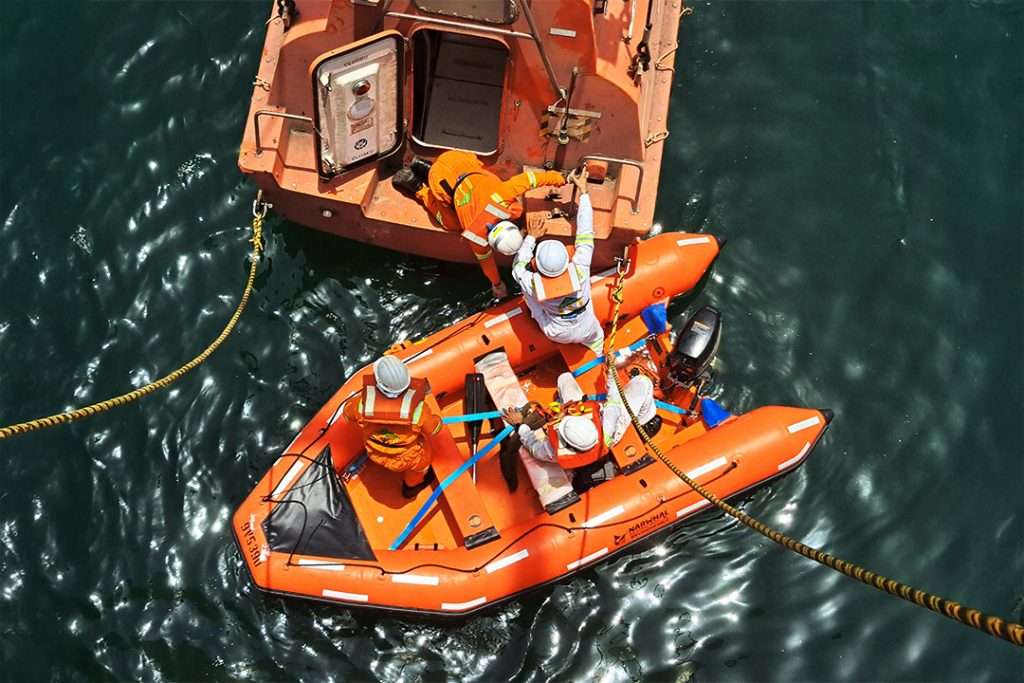
When every second counts, delays in locating a victim can dramatically increase the psychological pressure on a first responder team.
- Longer searches mean more exposure to trauma: The longer a scene drags on, the more emotionally draining it becomes.
- Families waiting nearby heighten the pressure: Responders often work under the gaze of loved ones desperate for closure.
- Uncertainty compounds stress: Not knowing when, or if, the victim will be found increases tension.
This is where technology plays a crucial role. Tools that can cut search times from hours to minutes not only improve operational outcomes but also provide a measurable reduction in trauma for those on scene.
Technology as a Mental Health Ally
Sonar Tools and Faster Recoveries
Innovations like AquaEye Pro—a rapid rescue and recovery sonar device—are changing the way first responders approach drowning incidents. By scanning large areas of water in seconds and identifying potential targets quickly, AquaEye reduces the uncertainty and duration of searches.
For responders, this means:
- Less time in high-stress and dangerous environments
- Earlier closure for families and communities
- Greater chance at rescue
- Lower risk of prolonged psychological impact
Real-World Impact
Consider a search and rescue team racing to locate a possible drowning victim in a large lake. Traditionally, hours of painstaking grid searches in cold, murky conditions might pass before any sign is found. With sonar-assisted tools, responders can often identify potential targets within minutes—giving rescuers a better chance to save a life, and when that’s not possible, easing the emotional burden by shortening recovery time.
That difference doesn’t just save time—it protects the mental health of responders by reducing the uncertainty and guilt that often follow long, unresolved searches.
Supporting First Responder Mental Health
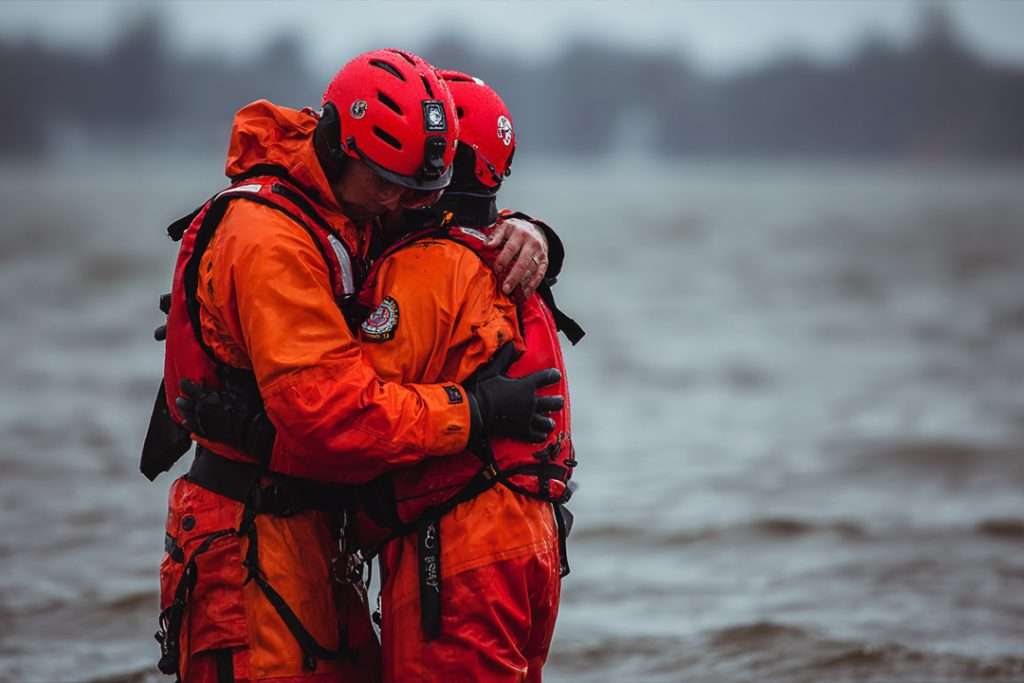
While technology helps, it’s not the only solution. Agencies and individuals must take active steps to support first responder mental health in drowning incidents.
Organizational Strategies
- Peer Support Programs: Encouraging open conversations between colleagues who understand the unique challenges of water recoveries.
- Critical Incident Stress Debriefing (CISD): Structured sessions after traumatic calls to process emotions.
- Mental Health Training: Teaching responders to recognize early signs of trauma in themselves and others.
- Stress Management Training: Sharing stress management techniques to help responders sustain their own physical and mental health.
Individual Coping Techniques
- Mindfulness and Breathing Exercises: Grounding strategies that reduce anxiety after difficult calls.
- Physical Activity: Exercise helps release stress and improves resilience.
- Professional Counseling: Access to therapists familiar with first responder trauma can make a significant difference.
By combining organizational support with personal strategies, teams can build resilience and better navigate the emotional impact of drowning recoveries.

Changing the Narrative: From Silent Strain to Open Support
First responders are often seen as unshakable heroes, but this narrative can discourage them from seeking help when they need it most. Shifting the conversation to acknowledge the emotional cost of drowning trauma on first responders is vital.
The hidden toll of drowning recoveries on first responders deserves recognition and proactive solutions. Trauma, stress, and emotional fatigue are not inevitable side effects of the job—they can be reduced with the right support systems and technology.
By investing in systems like AquaEye Pro and fostering a culture of mental health awareness, agencies can make a profound difference. Faster recoveries mean not only providing closure to families but also protecting the emotional resilience of the people we rely on in life’s most critical moments.
If you or someone you know is struggling with overwhelming stress, trauma, or suicidal thoughts, help is available — people all around the world can find free, anonymous, confidential support through resources like Find A Helpline, HelpGuide’s Mental Health Helplines Directory, or the International Association for Suicide Prevention (IASP).
First Responder Recovery FAQs
What makes drowning recoveries psychologically different from other rescue calls?
Drowning incidents are often more traumatic for first responders because they frequently involve children, prolonged searches, and high emotional stakes. Responders face unique pressure from onlooking families and the uncertainty of recovery outcomes, intensifying stress and emotional fatigue.
How common is PTSD among first responders?
PTSD affects nearly one in five first responders—rates four to five times higher than in the general population. Firefighters, police, and paramedics face cumulative trauma that can lead to chronic anxiety, flashbacks, and depression.
What are early signs of PTSD in first responders?
Symptoms include flashbacks, nightmares, emotional numbness, irritability, trouble sleeping, and withdrawing from others. Recognizing these signs early allows for quicker intervention and better recovery outcomes.
Why do many first responders avoid seeking mental health help?
Cultural stigma, fear of appearing weak, and concern over career impact often discourage responders from pursuing counseling. Peer support programs and confidential helplines aim to change this narrative.
Are there dedicated mental health helplines for first responders?
Yes, If you or someone you know is struggling with overwhelming stress, trauma, or suicidal thoughts, help is available — people all around the world can find free, anonymous, confidential support through resources like Find A Helpline, HelpGuide’s Mental Health Helplines Directory, or the International Association for Suicide Prevention (IASP).
How can first responders manage emotional distress after a water recovery?
Engaging in peer support groups, professional counseling, mindfulness, and structured debriefings can help responders process trauma and prevent long-term psychological effects.
Can technology like AquaEye reduce mental strain on first responders?
Yes. Faster recoveries mean less time in psychologically taxing environments and earlier closure for victims’ families. Technology minimizes uncertainty—one of the greatest stress amplifiers during drownings.