Search and rescue teams face numerous high-pressure situations, but few are as complex, time-sensitive, and emotionally charged as underwater searches. When a person goes missing beneath the surface, speed is crucial. Yet even the most experienced divers and rescuers know that underwater victim recovery is one of the most difficult tasks in the field.
This article examines the primary challenges associated with underwater search operations, including visibility issues, environmental conditions, and human limitations. Then, we’ll show how emerging technologies, like AquaEye Pro — an AI-powered handheld sonar, are transforming underwater search and rescue from guesswork to precision.
The Unseen Obstacles: Why Underwater Searches are So Challenging
The moment a person disappears beneath the water’s surface, a complex set of challenges begins to unfold. These challenges can be broadly categorized into three areas: physics, visibility, and environmental factors.
The Physics of the Underwater World
The underwater environment operates under a different set of rules than we are accustomed to on land. These physical principles have a profound impact on search and recovery efforts:
- Water Currents and Density: Water is far denser than air, meaning that currents can exert a powerful force on a submerged object, including a human body. Even a slow-moving current can transport a victim a significant distance from their last known location, expanding the search area exponentially with each passing minute.
- Sound and Light Distortion: Light and sound behave differently underwater. Light is quickly absorbed and scattered, leading to poor visibility. Sound, while it travels farther, can be distorted by temperature layers (thermoclines) and underwater topography, making it difficult to use traditional acoustic methods for location.
- Buoyancy and Decomposition: The human body’s buoyancy changes over time. This can cause a victim to sink initially, then rise to the surface as gases build up, only to sink again as those gases are released. This unpredictable movement makes it incredibly difficult to pinpoint a location.
The Murky Depths: The Challenge of Visibility
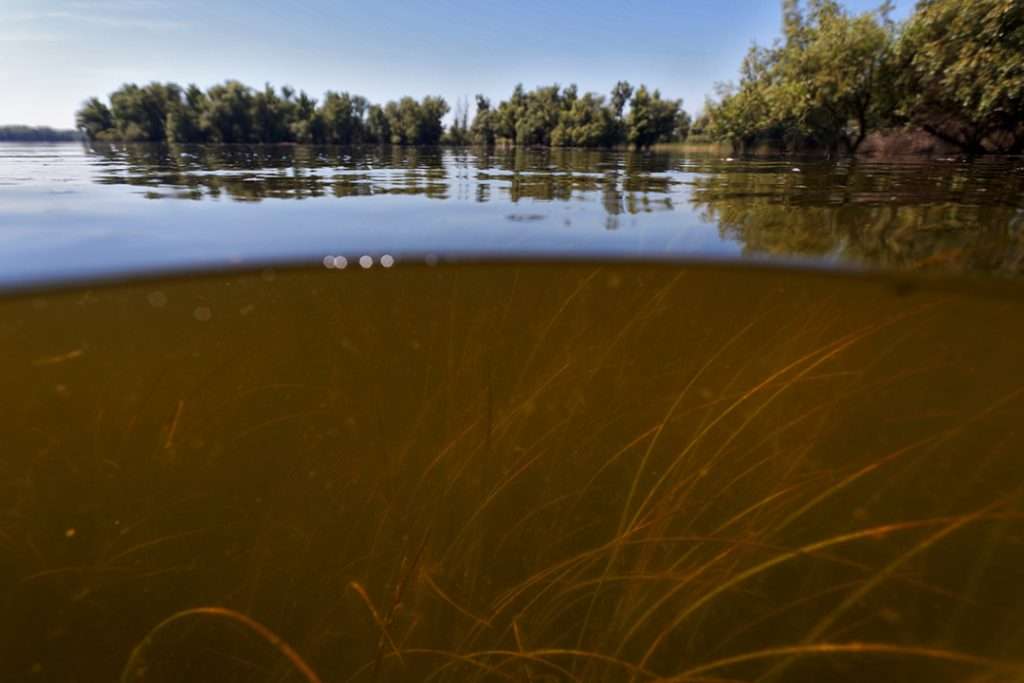
For a diver, visibility is everything. Unfortunately, the underwater world is often a place of near-zero visibility. This is due to a variety of factors:
- Turbidity: Silt, sediment, and organic matter suspended in the water column create turbidity, which is essentially underwater “fog.” A single misplaced fin kick can stir up the bottom, reducing visibility to zero in an instant.
- Light Penetration: In many lakes and rivers, sunlight only penetrates a few feet, leaving the depths in perpetual darkness. This is especially true in murky or “blackwater” environments.
- Visual Illusions: Even in clear water, the refraction of light can make objects appear closer and larger than they actually are, leading to disorientation and inaccurate assessments of distance.
The Hostile Environment: Battling the Elements
Beyond the challenges of physics and visibility, the underwater environment itself can be a dangerous and unforgiving place for rescuers:
- Temperature: Cold water is a constant threat to divers, leading to hypothermia and a reduced ability to function effectively.
- Debris and Entanglement Hazards: The bottom of any body of water can be littered with debris, from fallen trees and sharp rocks to discarded fishing lines and other man-made objects. These create significant entanglement hazards for divers.
- Psychological Toll: The stress of searching for a victim in a dark, cold, and dangerous environment takes a significant psychological toll on rescuers.
- Weather-Related Complications: Seasonal changes create unique underwater search challenges. Winter ice complicates access and safety, while spring runoff increases currents and debris. Storms can alter search areas entirely, and temperature layers, known as thermoclines, affect where victims may be located and how equipment performs.
How Technology Is Changing Underwater Recovery
For decades, the primary tools for underwater search and recovery have been dive teams and boat-mounted sonar. While these methods have their place, they are often slow, resource-intensive, and can put rescuers at significant risk. Today, however, a new generation of technology is emerging that is revolutionizing the way we approach underwater searches.
Handheld Sonar: A Game-Changer for First Responders
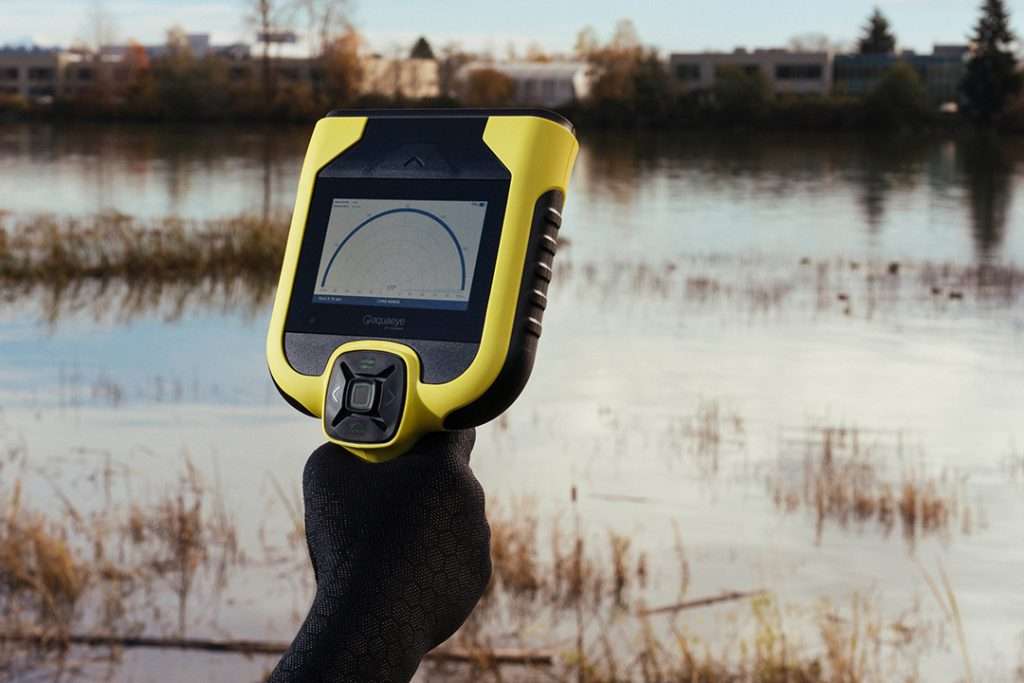
Handheld sonar devices are at the forefront of this technological revolution. These portable, easy-to-use tools put the power of advanced sonar into the hands of first responders, enabling them to conduct rapid and effective searches without the need for a full dive team or a specialized sonar boat.
A prime example of this technology is AquaEye® Pro. Unlike traditional sonar systems, which are often complex and require extensive training, AquaEye Pro is designed for the fast-paced, high-stress environment of a water rescue. It utilizes a combination of advanced sonar and AI to scan the underwater environment and identify targets that match the size and shape of a human body.
How AquaEye Pro Overcomes Traditional Challenges:
- Speed: A single rescuer can scan an area the size of a football field in under five minutes, dramatically reducing search times and increasing the window of opportunity for a successful rescue.
- Safety: By allowing rescuers to search from the surface, AquaEye Pro minimizes the time divers need to spend underwater, thereby reducing their exposure to the hazards of the underwater environment.
- Accuracy: The device’s AI-powered target identification helps to distinguish between a human body and other underwater objects, allowing rescuers to focus their efforts on the most probable locations.
See how AquaEye accelerated recovery and minimized diver exposure in treacherous, low-visibility river conditions or read more customer success stories to see the impact
The Power of AI in Underwater Search and Rescue
Artificial intelligence is playing an increasingly significant role in underwater search and rescue operations. AI algorithms can be trained to recognize the unique acoustic signature of a human body, even in environments with clutter and noise. This enables devices like AquaEye Pro to filter out false positives, providing rescuers with a higher degree of confidence in their search results.

Preparing for the Future of Underwater Search
As climate change increases the frequency of floods, hurricanes, and other water-related disasters, SAR teams will face an unprecedented number of aquatic emergencies. Equipping teams with the right tools is no longer optional—it’s essential.
Steps for Search and Rescue Teams:
- Train regularly in low-visibility and sonar-assisted searches
- Invest in portable sonar tools to decrease search times
- Create standard operating procedures for integrating new tech into your workflow
- Advocate for funding and support at the municipal or regional level
Bring Clarity to the Depths
While the underwater world will always present formidable challenges, the era of searching blindly is over. Innovations in handheld sonar are empowering first responders to overcome the historic barriers of visibility, safety, and time. Tools like AquaEye Pro are not just pieces of equipment; they are lifelines that provide clarity in chaos, speed in emergencies, and a greater chance of bringing loved ones home.
To see how this technology can transform your team’s capabilities in the most difficult conditions, find us at our upcoming events or come to a demo near you. For a direct consultation on equipping your team for the future of search and rescue, contact AquaEye today.