Water Rescue Statistics
- 4,000 people die from unintentional drowning annually in the U.S. (American Red Cross)
- Submersion times of greater than 10 minutes or a delay in CPR greater than 10 minutes dramatically reduce the probability of successful resuscitation. (Fire Engineering)
- EMS & Rescue calls accounted for 65.2% of U.S. fire department responses in 2023. (U.S Fire Administration)
- Drowning was the 7th leading cause of death among on-duty U.S. firefighters (2009-2018 data). (BOAT-ED)
- In many U.S. jurisdictions, flooding and water-rescue incidents continue to trend upward. (USGS)
When seconds count, water rescues demand both precision and preparedness. Yet many fire departments—especially in smaller or rural communities—don’t have the personnel or resources to maintain a dedicated dive team.
That doesn’t mean they can’t perform effective, life-saving rescues. With the right training, planning, and equipment, shore-based teams can significantly improve their response time and recovery outcomes.
In this guide, we’ll explore practical water rescue training tips for fire departments without dive teams, and how modern technology like handheld sonar devices are transforming the way first responders approach these emergencies.
Why Many Fire Departments Operate Without Dive Teams
Dive teams require ongoing training, specialized certifications, and extensive safety protocols—all of which can be costly and time-intensive. Many smaller fire departments don’t have the call volume to justify a dedicated team or the budget to sustain one.
Instead, most departments rely on shore-based rescue techniques, often in coordination with nearby agencies that have dive capabilities. The goal: to stabilize the scene, identify possible victim locations, and prepare for either rescue or recovery as quickly as possible.
That’s where modern sonar technology comes in. Devices like AquaEye® Pro give shore-based teams new capabilities that were once only possible with divers in the water.
1. Prioritize Scene Safety and Situational Awareness
Every successful water rescue begins with a structured scene assessment. Before any action, firefighters should establish:
- Last known point (LKP) of the victim
- Water conditions, including current, depth, and temperature
- Accessibility for shore-based rescuers or boats
- Environmental hazards like debris, cold water, or limited visibility
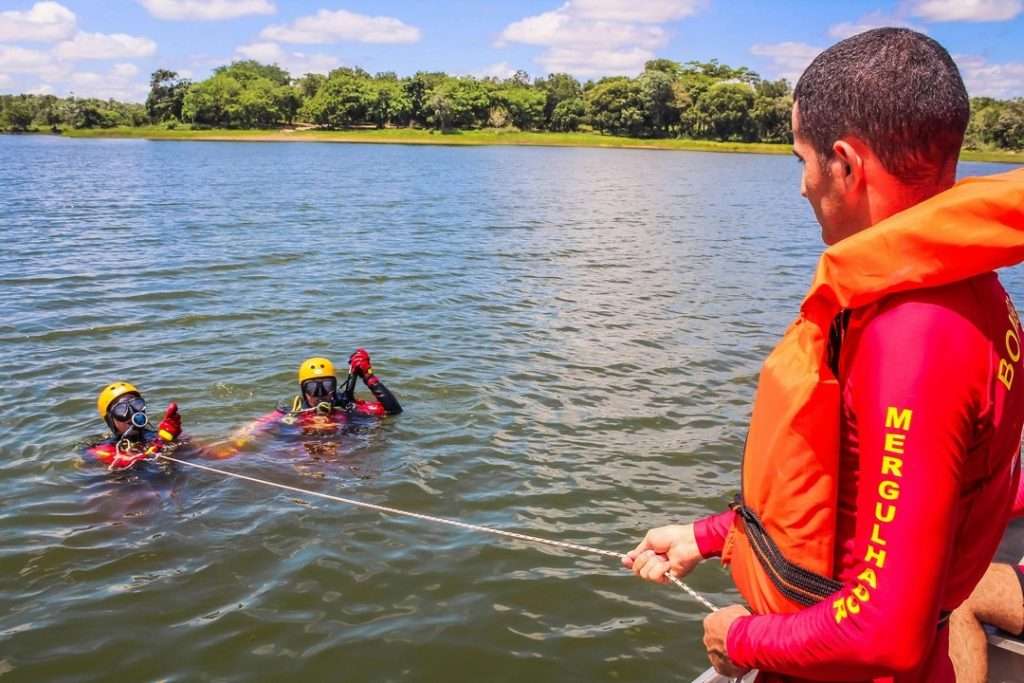
Training should emphasize maintaining rescuer safety first. Entering the water without proper equipment or training can quickly turn a rescue into another emergency. Shore-based or boat-based operations often provide a safer, faster, and more controlled response.
2. Train in Shore-Based and Surface Rescue Techniques
Without a dive team, departments can still develop strong water rescue capabilities through targeted surface and shore-based skills.
Key Skills to Include in Training:
- Reach, Throw, Row, and Go: This classic hierarchy ensures rescuers use the safest method first—starting from shore-based tools (like throw bags or poles) before progressing to boat or swimmer-based approaches.
- Throw Bag Accuracy: Practice regularly from varying distances and angles. A well-placed throw bag can make the difference between a rescue and a recovery.
- Boat Handling and Launch: If your department uses boats, ensure all personnel are trained in rapid deployment and navigation under pressure.
- Victim Retrieval: Rehearse methods for safely pulling victims from the water while maintaining rescuer stability.
Consistent, scenario-based training helps teams make faster, safer decisions when every second counts.
3. Integrate Technology Into Training Scenarios
Even without divers, fire departments can leverage cutting-edge tech that dramatically improve efficiency and accuracy.
Handheld Sonar Devices:
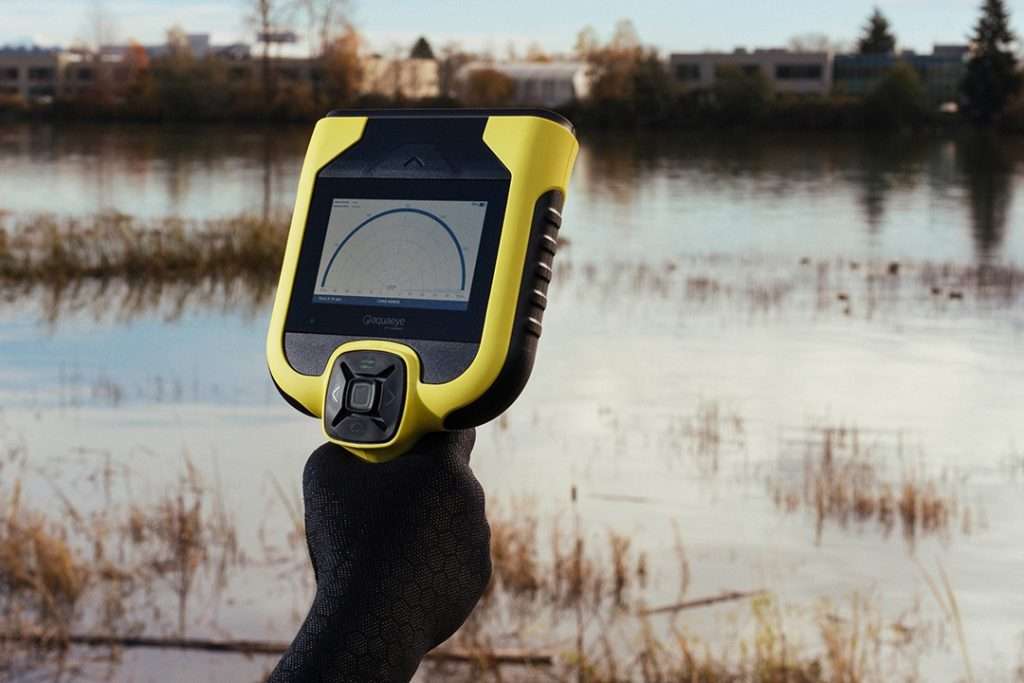
Handheld sonar devices like AquaEye® Pro use advanced sonar and AI technology to detect human bodies underwater within seconds—whether the victim is conscious, unconscious, or submerged.
Why This Matters for Non-Dive Teams:
- Rapid Target Identification: Traditional grid searches can take hours. Sonar devices allow rescuers to scan large areas in minutes from shore or a boat.
- Improved Safety: Rescuers stay out of the water until a target is confirmed.
- Versatility: Works in various conditions—murky, cold, or low-visibility water—where traditional visual methods fail.
- Training Integration: Incorporate sonar scans into drills to simulate real-world rescue decision-making.
Departments without dive capabilities can now perform immediate sub-surface scans, identifying likely victim locations long before dive teams arrive—saving critical time in rescue and recovery operations.
4. Build Partnerships and Mutual Aid Agreements
Collaboration is essential for departments lacking specialized teams. Establish mutual aid agreements with neighboring jurisdictions that have:
- Certified dive teams
- Swiftwater rescue units
- Air or drone search support
Train together at least once or twice a year. Cross-department drills help everyone understand each other’s protocols, communication styles, and command structures—reducing confusion during real emergencies.
Even when you don’t have divers, you can serve as the first point of action, using sonar technology to locate potential victims and then guiding incoming dive teams directly to the right area.
5. Develop a Clear Water Rescue Response Plan
A written, department-wide water rescue SOP (Standard Operating Procedure) ensures consistency across shifts and teams.
Your SOP should outline:
- Dispatch procedures (who gets called, when, and how)
- Command structure during water incidents
- Equipment checklists for different response levels
- Scene management protocols (establishing zones, safety officers, and staging areas)
- Post-incident debriefing and reporting
Include regular tabletop exercises to review procedures and identify gaps before they happen on scene.
6. Emphasize Communication and Team Roles
Clear communication can make or break a rescue. Training should designate specific roles during water incidents:
- Incident Commander: Coordinates resources and overall strategy with assistance from technology like AquaEye Pro’s Command Hub.
- Shore Officer: Manages rescuer safety and shoreline operations.
- Sonar Operator: Runs equipment like AquaEye® Pro and relays real-time findings.
- Rescue Team: Prepares to enter the water once targets are confirmed.
- Medical Team: Readies equipment for victim care upon retrieval.
Simulated scenarios—especially with technology integration—help teams practice these roles until they become second nature.
7. Maintain and Familiarize With Equipment
Firefighter rescue equipment can degrade quickly if not properly maintained. Conduct monthly inspections and refreshers for all water rescue tools, including:
- Throw bags and ropes
- Personal flotation devices (PFDs)
- Wetsuits or drysuits
- Lighting and marking equipment
- Sonar and scanning devices
Schedule regular training with your sonar tools, ensuring every operator knows how to interpret scans and troubleshoot issues under pressure.
When new technology like AquaEye® is introduced, assign one or two training champions to lead instruction and standardize usage across shifts.
8. Focus on Realistic, Scenario-Based Drills
Static classroom instruction has value—but hands-on, realistic scenarios prepare teams for actual emergencies.
Effective Drill Ideas:
- Simulate a missing swimmer at a lake with limited visibility.
- Practice using sonar from the shoreline to locate swimmers or submerged sonar sensitive mannequins.
- Combine drone aerial support with sonar scanning to create multi-angle search operations.
- Conduct joint drills with nearby dive or EMS teams to test coordination and handoff efficiency.
Recording and reviewing these drills helps identify weak points and build confidence across the department.
9. Educate the Public and Prevent Incidents
Rescue readiness also means prevention. Fire departments play a key role in community water safety awareness.
Consider:
- Hosting public education events before summer boating or swimming seasons.
- Sharing safety tips about cold water shock, lifejacket use, and alcohol consumption near water.
- Partnering with local schools and recreation centers for awareness sessions.
The fewer incidents that occur, the more your team can focus on preparedness and training rather than response.
The Future of Firefighter Water Rescue Equipment
Technology continues to close the gap between dive and non-dive departments. Handheld sonar devices, drones, and AI-based systems are redefining what’s possible for first responders.
With tools like AquaEye® Pro, fire departments can perform fast, safe, and efficient underwater searches—without requiring divers in the water.
That means improved survivability, reduced risk to rescuers, and greater community confidence in your department’s ability to respond to water-related emergencies.
Empowering Non-Dive Teams for Life-Saving Results
Not every fire department needs a dive team to be effective in water rescue. With clear procedures, solid training, and modern technology, shore-based teams can achieve outstanding results—saving lives and reducing search times dramatically.To learn more about using tools like AquaEye, visit our upcoming events or attend a demo near you. For a personalized consultation on how AquaEye can be integrated into your department’s toolkit, contact team AquaEye today.
Water Rescue FAQs
Why don’t all fire departments have dive teams?
Many fire departments, especially in smaller or rural communities, operate without dive teams due to the significant resources required. Maintaining a certified dive team involves high costs, continuous and specialized training, extensive equipment, and complex safety protocols. For departments with low call volumes for water incidents, the investment is often not justifiable.
What are the first steps in any water rescue operation?
The first priority is a structured scene assessment to ensure rescuer safety. Before taking action, teams should establish the victim’s last known point (LKP), assess water conditions (current, depth, temperature), identify shoreline accessibility, and note any environmental hazards like debris or low visibility. The safety of the rescuers is always the primary consideration.
How does handheld sonar help fire departments without dive teams?
Handheld sonar devices, like AquaEye® Pro mentioned in the article, allow shore-based teams to perform immediate sub-surface searches. Using advanced sonar and AI, these devices can detect human bodies underwater in minutes. This dramatically improves outcomes by:
- Rapidly identifying targets without needing divers to perform slow grid searches.
- Increasing rescuer safety by keeping them on shore or in a boat until a victim’s location is confirmed.
- Working effectively in murky, cold, or low-visibility water where visual searches fail.
What equipment is essential for a shore-based water rescue team?
A well-equipped shore-based team needs regularly inspected and maintained equipment, including:
- Throw bags and ropes
- Personal flotation devices (PFDs) for all personnel
- Wetsuits or drysuits for thermal protection
- Poles and other reach devices
- Lighting for night operations
- Modern scanning tools like handheld sonar devices
How can a small department handle a major water incident?
Collaboration is key. Departments without specialized teams should establish mutual aid agreements with neighboring agencies that have certified dive teams, swiftwater rescue units, or air/drone support. By conducting joint training drills, departments can streamline communication and create a more effective, coordinated response when an incident occurs.
What are the most effective water rescue training drills?
Realistic, scenario-based drills are most effective. Instead of just classroom learning, departments should practice hands-on scenarios like:
- Locating a submerged mannequin in a local lake or pond using sonar.
- Practicing throw bag accuracy under simulated stress.
- Conducting joint drills with mutual aid partners to practice victim handoff.
- Simulating a nighttime search operation.
Can a fire department really be effective at water rescue without a dive team?
Yes. The article emphasizes that with the right training, procedures, and technology, a non-dive department can perform highly effective water rescues. By mastering shore-based techniques and leveraging modern tools like handheld sonar, these teams can significantly improve scene safety, reduce search times, and increase the chances of a successful rescue or a rapid recovery.